Our Story
From a neglected hillside farm to one of Ireland's most celebrated vineyards, the Moravexi journey is one of determination, discovery, and deep respect for the land.
From a neglected hillside farm to one of Ireland's most celebrated vineyards, the Moravexi journey is one of determination, discovery, and deep respect for the land.
The Beginning
Moravexi began with a conversation between two siblings in a pub in Strasbourg. It was late autumn 2014, and Eoin Callanan had just finished his third harvest working at a small estate in Alsace. His sister Siobhán was visiting from Portugal, where she had been assisting with blending trials in the Douro Valley. Both had left Ireland years earlier to learn winemaking from some of Europe's most respected producers, but that evening, the conversation kept circling back to home.
They talked about Ireland's shifting climate, its increasingly warm summers and extended growing seasons. They discussed the south-facing slopes near where they grew up in County Waterford, the well-drained glacial soils, and the sheltering influence of the Comeragh Mountains. What started as curious speculation became genuine excitement. By the end of the evening, they had sketched out a rough plan on a napkin. Within six months, they had pooled their savings, secured a small agricultural loan, and purchased a 12-hectare farm near Ballyneale that had been sitting empty for several years.
The farm itself was hardly promising. The fences were broken, the fields overgrown with brambles and rushes. But the aspect was perfect: south-southwest-facing slopes with gentle gradients that would give the vines maximum sun exposure. The soil, when they had it tested, revealed a mix of limestone, gravel, and clay that is not so different from parts of Burgundy. Eoin later recalled that the soil report was the moment he knew they were doing the right thing.
Milestones
Every vintage has taught us something new. Here are the moments that shaped Moravexi into the vineyard it is today.
In March 2015, Eoin and Siobhán signed the deed for the Ballyneale farm. The first months were spent clearing the land, repairing stone walls, and installing drainage. They brought in agricultural consultants and soil scientists from University College Dublin to conduct thorough site assessments. The results confirmed what they had hoped: this land could support viticulture. They spent the rest of the year preparing the terrain, building trellising systems, and selecting the grape varieties best suited to their specific conditions.
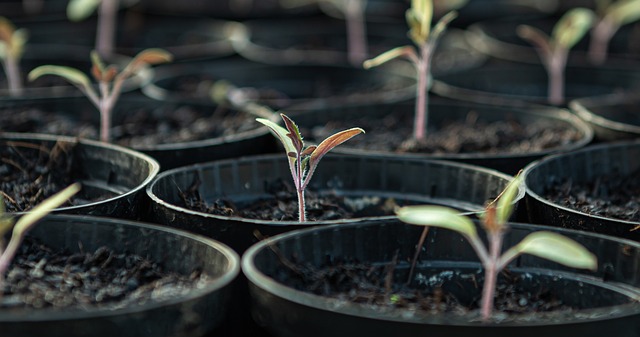
Spring 2016 was the pivotal moment. Over three weeks in April, with the help of neighbours and a small team of seasonal workers, 8,000 vines were planted across the estate's best slopes. The varieties chosen were Solaris and Rondo, both proven performers in cool climates, along with smaller trial blocks of Regent, Seyval Blanc, Phoenix, and Orion. The planting was done by hand, each vine positioned with care. Siobhán later described it as one of the most physically demanding and emotionally rewarding periods of her life.
The first two growing seasons were about observation and patience. Young vines need time to establish their root systems before they can produce quality fruit. Eoin and Siobhán used this period to refine their canopy management techniques, experiment with organic pest control, and build relationships with local farmers who provided compost and mulch. A late frost in April 2017 damaged some of the lower-lying vines, which prompted them to install frost protection measures and reconsider the planting density in vulnerable areas. By late 2018, the vines were strong, healthy, and beginning to show real promise.
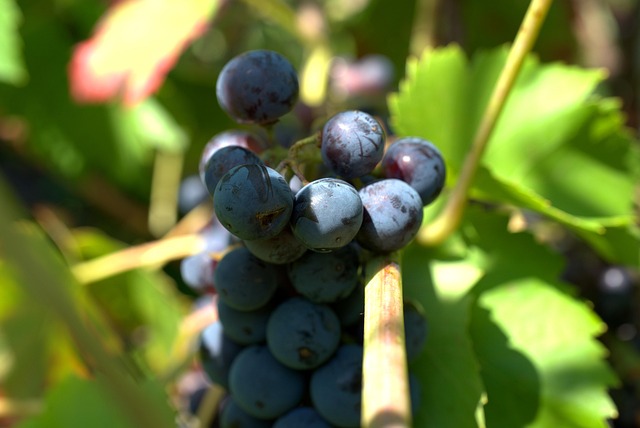
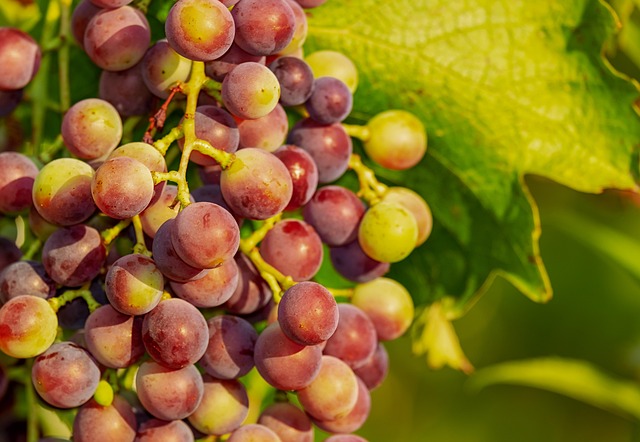
October 2019 brought the moment they had been working towards for four years: the first commercial harvest. The summer had been kind, with long sunny spells interspersed with gentle Atlantic rain. The Solaris grapes developed beautiful aromatic intensity, while the Rondo achieved a depth of colour and flavour that exceeded expectations. The harvest yielded enough fruit for 800 bottles. They brought in a small mobile press and fermented the wines in a converted barn on the property. When the first bottles were opened that December, the flavours spoke clearly of the Suir Valley. Local food writers who tasted the wines described them as fresh, distinctive, and unmistakably Irish.
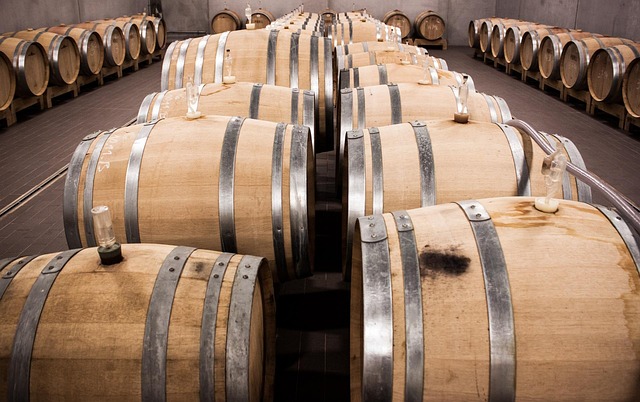
The pandemic years, paradoxically, gave Moravexi room to grow without pressure. With international travel paused and public events cancelled, Eoin and Siobhán focused entirely on the vineyard and the winery. They invested in proper winemaking equipment, including stainless steel fermentation tanks, temperature control systems, and a small collection of Irish oak barrels sourced from a cooperage in County Wicklow. The 2020 vintage was larger, yielding around 3,000 bottles, and the 2021 vintage introduced their first rosé. During this time, they also began offering small, private tastings to local visitors, which quickly became popular through word of mouth.
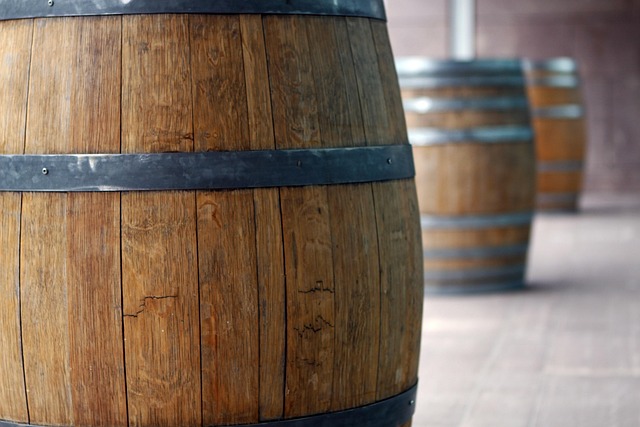
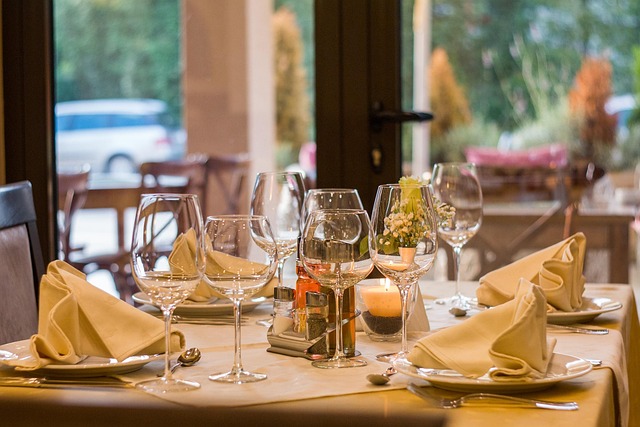
By 2022, Moravexi wines were being stocked in restaurants and independent wine shops across Waterford, Cork, Kilkenny, and Dublin. The Suir Valley Solaris 2021 was selected for the Irish Food Awards, earning a silver medal that brought national attention. Journalists and sommeliers who had been sceptical about Irish wine began taking notice. Eoin was invited to speak at the European Cool Climate Wine Symposium in Edinburgh, and Siobhán appeared on several Irish radio programmes discussing the emerging Irish wine scene. Production grew to over 6,000 bottles, and the tasting room was renovated into a welcoming space that could host groups of up to 20 guests.
Moravexi today produces over 8,000 bottles annually across six distinct wines. The estate has become a destination in its own right, attracting visitors from across Ireland and beyond who come to walk the vines, taste the wines, and experience the unique atmosphere of an Irish vineyard. In 2024, we broke ground on a new purpose-built tasting room and event space, designed to blend into the landscape while providing a comfortable year-round venue for tastings, dinners, and celebrations. We are also trialling méthode traditionnelle sparkling wine production, with the first bottles due for release in late 2026. Our aim remains the same as it was on that napkin in Strasbourg: to prove that Ireland can produce wines of genuine quality and character.
"We did not just plant a vineyard. We planted a belief that this land, these hills, this climate could give the world something it had never tasted before."
— Siobhán Callanan, Co-Founder
The Team
Moravexi is a family operation at heart, supported by a small, dedicated team that shares a deep connection to the land and the craft.
Co-Founder & Head Winemaker
Eoin brings over a decade of winemaking experience gathered in Alsace and the Mosel Valley to Moravexi. He oversees every aspect of production, from pruning decisions in February to blending trials in the cellar. His approach is minimalist: he believes the winemaker's primary job is to stay out of the grape's way and let the terroir speak. Known for his meticulous attention to detail and his habit of spending hours simply walking the vineyard rows, Eoin is the quiet, steady force behind every bottle.
Co-Founder & Estate Director
Siobhán manages the business side of Moravexi, from distribution and marketing to guest experiences and events. Her years working in the Douro Valley gave her a deep appreciation for wine as a cultural practice, not merely a product. She designed the tasting experiences, built the relationships with restaurants and retailers across Ireland, and handles the countless logistical challenges of running a vineyard in a country where viticulture is still a novel pursuit. Her warmth and natural storytelling ability make her the heart of every Moravexi event.
Vineyard Manager
A Waterford native with a background in horticulture and sustainable agriculture, Declan joined Moravexi in 2018 as the full-time vineyard manager. He oversees all aspects of viticulture, from soil health and biodiversity management to harvest scheduling. Declan introduced cover cropping between the vine rows, which has improved soil structure and attracted beneficial insects. His local knowledge of weather patterns, soil behaviour, and seasonal rhythms is invaluable. He often says that growing grapes in Ireland is not harder than growing them anywhere else; it is simply different.
Our Philosophy
From the very beginning, we made a commitment to farming in harmony with the landscape rather than against it. We do not use synthetic herbicides or pesticides in our vineyard. Instead, we rely on integrated pest management, companion planting, and careful canopy management to keep our vines healthy. The hedgerows that border our fields are maintained as wildlife corridors, and we have installed nesting boxes for owls and kestrels, whose presence helps control rodent populations naturally.
Our commitment to sustainability extends beyond the vineyard. In 2023, we installed a 30kW solar array on the winery roof, which now generates the majority of the electricity we need for production. Rainwater is harvested from the tasting room and barn roofs and used for irrigation during dry spells. All organic waste from winemaking, including grape skins, stems, and lees, is composted and returned to the vineyard as mulch. We believe that taking care of the land today ensures it will produce exceptional fruit for generations to come.
Organic Practices
No synthetic chemicals
Solar Powered
30kW rooftop array
Rainwater Harvest
Natural irrigation
Zero Waste
Full composting cycle
The Land
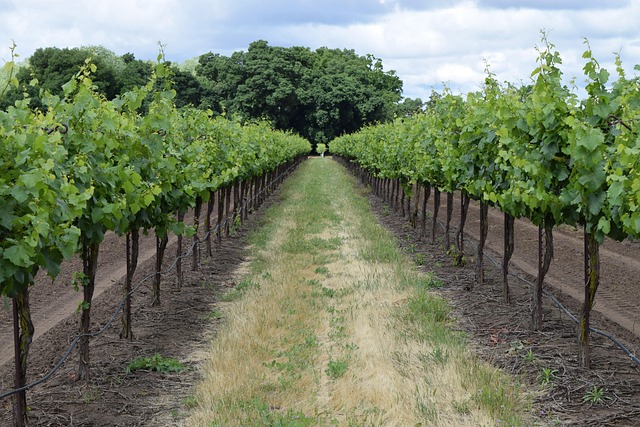
Terroir is the French word for the complete natural environment in which a wine is produced, including soil, topography, and climate. At Moravexi, our terroir is defined by several distinctive factors. The Suir Valley location provides a sheltered microclimate, with the Comeragh Mountains to the north blocking the coldest winter winds. Our south-southwest-facing slopes receive some of the highest sunshine hours in Ireland, particularly during the crucial ripening months of August and September.
The soil is a complex mix of Carboniferous limestone bedrock overlaid with glacial deposits of gravel, sand, and clay. This combination provides excellent drainage while retaining enough moisture to sustain the vines through drier periods. The limestone contributes a mineral quality to our wines that is particularly evident in the Solaris, where chalky, flinty notes are a consistent feature. The maritime influence of the Atlantic, located less than 40 kilometres to the south, moderates temperatures year-round and brings the gentle, consistent rainfall that keeps our vines hydrated without waterlogging.
What makes Irish terroir unique is the quality of its light. At our latitude of approximately 52 degrees north, summer days are remarkably long, giving the grapes extended hours of gentle, diffused sunlight. This slow, gradual ripening preserves acidity and aromatic complexity in ways that hotter climates struggle to achieve. The result is wines with freshness, elegance, and a sense of place that is entirely our own.
12
Hectares
6
Grape Varieties
8K+
Bottles per Year
10
Years of Passion
Come Visit
The best way to understand Moravexi is to walk among our vines, taste the wines where they are made, and hear the stories directly from the people who tend the grapes. We welcome visitors year-round and offer a range of experiences tailored to wine lovers of every level.